PPF maintenance often starts with simple habits: washing at the right time, using the right products, avoiding poorly directed pressure, and drying the surface properly. Paint protection film is designed to help preserve the appearance of your vehicle against impacts, road debris, salt, insects, and everyday wear. But like any protection applied to a vehicle’s bodywork, it deserves a minimum amount of care to stay clean, clear, and effective.
In Montreal, the challenge is very real. Between dusty spring streets, long winter weeks of road salt, construction splashes, summer insects on the highway, and quick washes between appointments, your vehicle goes through several seasons in a single year. A well-maintained PPF helps keep a cleaner look for longer, without turning maintenance into a complicated chore.
PPF maintenance: why the first few days matter so much
After the installation of a protective film, the film needs time to properly adhere to the surface. This step is often overlooked, but it is important. At Dr Tint, we recommend waiting 48 hours before washing the vehicle after a PPF installation. This time allows the film to stabilize properly before being exposed to water, washing products, or pressure.
During this period, the best reflex is simple: avoid rubbing, avoid automatic car washes, avoid direct pressure on the edges of the film, and do not try to correct a small visible imperfection yourself. If something concerns you, it is better to ask the team that completed the installation for advice.
A PPF is made to protect, but it first needs to be properly installed and stabilized. It is a little like fresh paint in a home: you let it set before cleaning it or touching it.
The ideal wash: gentle, regular, and never excessive
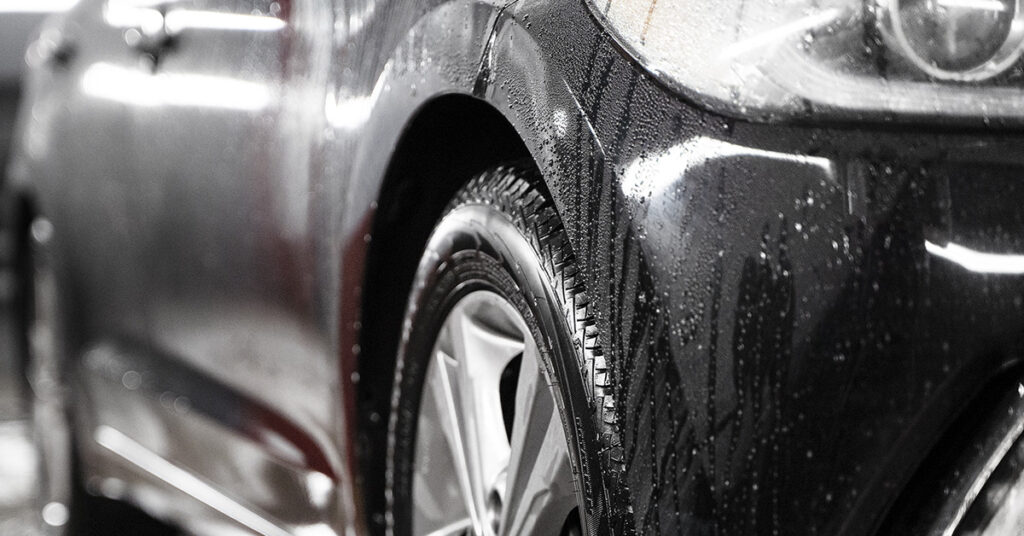
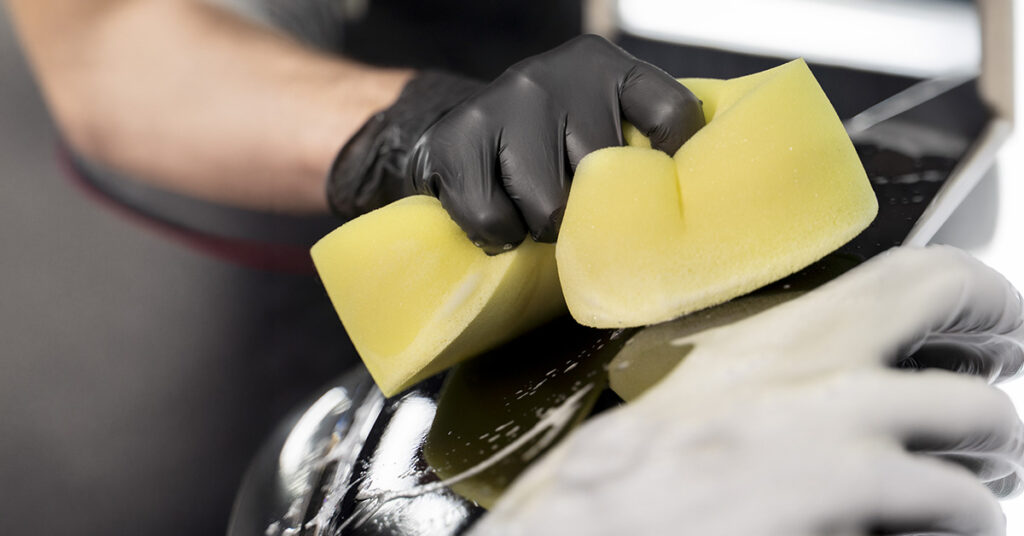
A proper PPF wash does not require complicated products. The safest approach is generally a gentle wash with a non-abrasive automotive soap, a clean sponge or a quality wash mitt, followed by a complete rinse. The goal is to remove dirt without creating unnecessary friction.
Imagine coming back from a weekend drive to the Laurentians or spending a day crossing Montreal in the rain. The bumper, hood, and mirrors may be covered with dust, sand, or insects. The longer these contaminants sit, the more demanding the cleaning becomes. Regular washing helps prevent the need for aggressive scrubbing.
The right method is to rinse thoroughly first to loosen loose dirt. Then, wash gently from top to bottom with clean water and a suitable soap. Finally, rinse again to avoid leaving residue behind.
Water pressure: useful, but handle it with care
Pressure washing can be practical, especially after winter or after driving on dirty roads. But you should avoid directing a powerful jet directly at the edges of the film. This is where the risk of lifting is highest.
The issue is not the water itself. It is the angle and force of the jet. If water hits the edge of the film with too much pressure, it can get under the film or weaken adhesion over time. It is better to keep a good distance, use a wider spray pattern, and never insist on the edges.
For a Montreal driver washing a vehicle at a self-serve station, the practical rule is simple: treat the PPF like a premium finish surface. Clean it and rinse it, but do not try to “strip” the vehicle.
Products to avoid on a PPF
A PPF does not respond well to aggressive products. Cleaners that are too alkaline, too acidic, strong solvents, powerful degreasers, abrasive powders, and polishing compounds can damage the surface of the film or alter its appearance.
Hard brushes, rough pads, and dirty sponges should also be avoided. A sponge contaminated with sand or road particles can create marks, even on a quality film.
Products to avoid mainly include:
- abrasive cleaners;
- strong chemicals not designed for automotive use;
- aggressive degreasers;
- colored or abrasive waxes;
- polishing compounds;
- automatic car wash brushes that are too harsh;
- dirty or rough cloths.
The right product is not necessarily the strongest one. For a PPF, the right product is the one that cleans without attacking the film.
Drying: the detail that changes the final look
After washing, drying makes a real difference. Letting water dry on its own can leave mineral spots, especially when the water is hard or when the vehicle dries in the sun. On dark bodywork, these marks can become visible quickly.
The best option is to use a clean, soft microfiber towel. Blot or glide lightly, without excessive pressure. Drying also helps spot areas that need extra attention: remaining insects, salt marks, streaks near the mirrors, or residue around the film edges.
In Montreal, where vehicles often move from slushy streets to heated indoor parking, this step helps maintain a cleaner and more consistent finish.
Dr Tint in Montreal: advice adapted to Quebec roads
At Dr Tint in Montreal, Armure protective films are designed for vehicles exposed to scratches, chips, and road debris. They create a discreet barrier that helps preserve the vehicle’s original appearance while providing useful protection in Quebec driving conditions.
PPF is especially relevant for the most exposed areas: hood, front fenders, mirrors, bumper, headlights, or trunk sill. These are the areas that receive impacts, friction, and everyday marks. A hockey bag in the trunk, a stroller, a tight parking space, a drive on Highway 40, or a winter full of salt can all leave their mark.
With Dr Tint, customers can receive personalized advice based on their vehicle, driving habits, and reality. A city car, a family SUV, a work vehicle, or a new vehicle will not always need the same coverage or the same maintenance routine.
Wax, sealant, and ceramic coating: what can you apply on a PPF?
Certain finishing products can be used on a PPF, but you need to choose products that are compatible with paint protection films. Abrasive waxes, colored products, or aggressive polishes should be avoided. They can leave residue near the edges or alter the appearance of the film.
A PPF-compatible sealant or an adapted ceramic protection can help make washing easier and limit dirt adhesion. The idea is to make the surface easier to clean, not to replace regular maintenance.
Before applying a product, the safest reflex is to ask for advice. This helps avoid poor product combinations and overly aggressive treatments.
Seasonal maintenance: adapting your habits in Montreal
In Quebec, PPF maintenance changes with the seasons.
In spring, salt, sand, and calcium buildup from winter need to be removed. This is the right time for a more careful wash, especially around the lower body, bumper, and front areas.
In summer, insects, tree sap, and road residue can stick to the surface more quickly. It is better to remove them promptly with a gentle product and a clean microfiber cloth.
In fall, leaves, rain, and temperature changes often leave deposits on the bodywork. Regular washing helps better prepare the vehicle for winter.
In winter, washing remains important, even when it is cold. Salt and slush can build up quickly. You simply need to choose a time when the temperature allows for proper rinsing and reasonable drying.
Common mistakes that reduce the film’s lifespan
The first mistake is believing that a PPF does not need any maintenance. It protects the paint, but it remains exposed to dirt, contaminants, and washing products.
The second mistake is using too much pressure too close to the edges. This is often where problems begin.
The third mistake is rubbing a dry stain with a dry cloth. This can create marks. It is better to moisten, soften, and clean gently.
The fourth mistake is using any garage product without checking compatibility. A powerful cleaner may seem effective at first, but it is not always suitable for a protective film.
A well-maintained PPF keeps your vehicle looking better
PPF maintenance is not complicated. It is based on a simple logic: gentleness, consistency, and the right products. By caring for your film, you help your vehicle get through the seasons with a cleaner, sharper, and better-protected appearance.
For personalized advice, help choosing the right products, or to schedule an installation, you can visit or contact Dr Tint in Montreal. The team can guide you based on your vehicle, how you use it, and the driving conditions you face in Quebec.
FAQ — PPF Maintenance
1. How long should you wait before washing a vehicle after a PPF installation?
At Dr Tint, we recommend waiting 48 hours before washing the vehicle after a PPF installation.
2. Can you wash a vehicle with PPF in an automatic car wash?
It is better to choose a gentle wash. If you use a car wash, a touchless option is preferable to harsh brushes that can rub the surface and edges.
3. Can you use a pressure washer on a PPF?
Yes, with caution. Keep a good distance, use a wide spray pattern, and avoid directing pressure directly at the edges of the film.
4. What products should be avoided for PPF maintenance?
Avoid abrasive cleaners, strong solvents, aggressive degreasers, abrasive waxes, polishing compounds, and rough brushes.
5. Does a PPF require a lot of maintenance?
No. Regular washing with a gentle soap, complete rinsing, and drying with a clean microfiber towel are generally enough to keep the film in good condition.