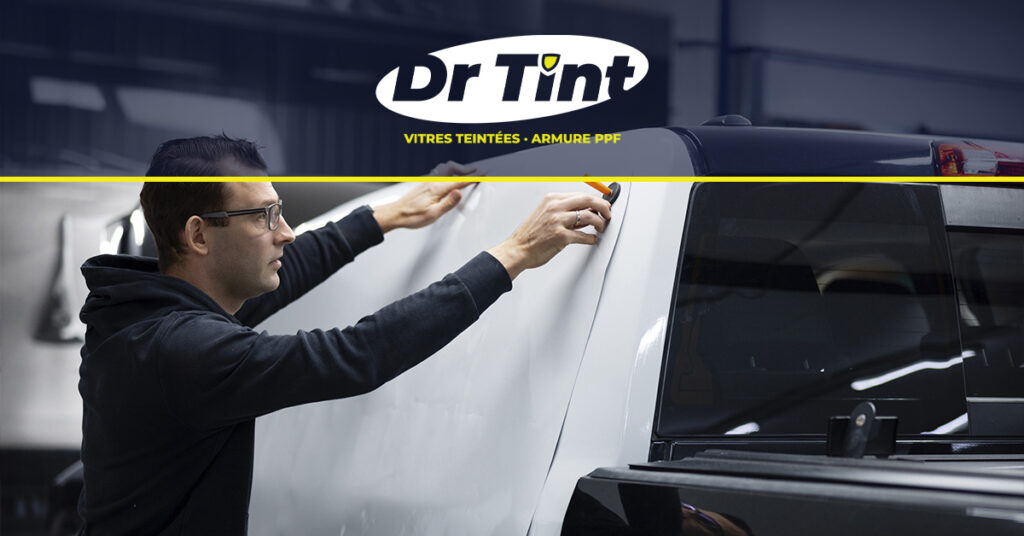
When you think about PPF for trucks and SUVs, you should not see it as an extra reserved for luxury vehicles. In Quebec, your work truck, your family SUV, or your utility vehicle quickly takes on salt, gravel, insects, tar, and the small impacts of everyday driving. If you drive often in Montreal, on highways, in tight parking lots, or between different work stops, your paint is constantly exposed. So the real question is not whether protection is aesthetic. The real question is this: where does that protection pay off the most for you?
That is where PPF becomes especially relevant. Paint protection film helps preserve your paint, reduce chips, and keep normal wear from ending up costing more than expected. If you use your vehicle every day, for work or for family life, protecting the right areas can make a real difference in the vehicle’s appearance, durability, and long-term value.
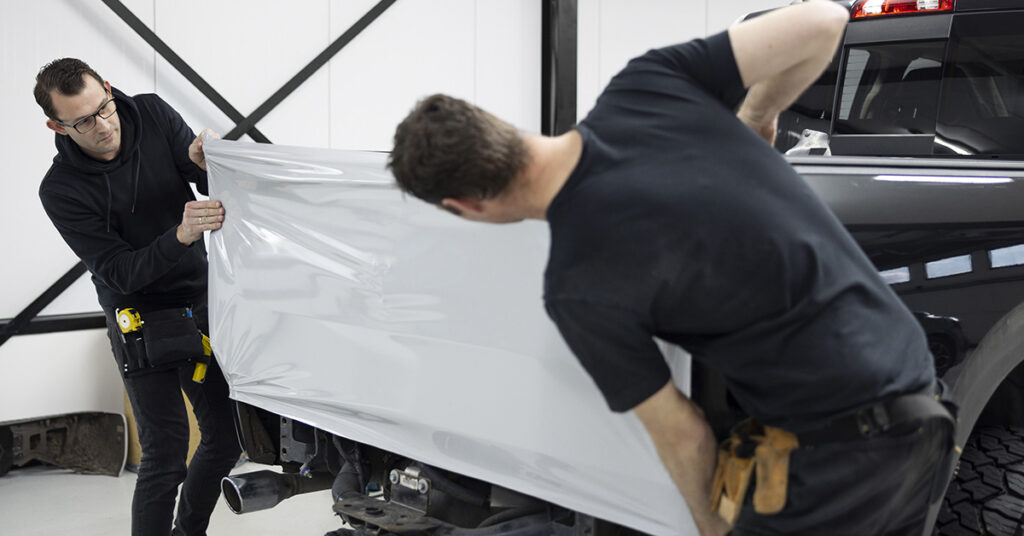
PPF for trucks and SUVs: the areas where protection pays off the most
The best return does not always come from full coverage across the entire vehicle. Very often, what pays off the most is well-placed protection, right where real damage actually happens.
On a truck or SUV, some areas are much more exposed than others. This is especially true for the front bumper, the front edge of the hood, the front fenders, the mirrors, and the headlights. These are the surfaces that directly take gravel, small road debris, insects, and abrasives thrown up by other vehicles. If you often drive through Montreal, major boulevards, job sites, or fast Quebec roadways, that is even more true.
For you, that means one simple thing: if you want your PPF investment to be worthwhile, you need to protect the areas that take the most abuse first.
The front of the vehicle: the number one priority
If you use a work truck or an SUV every day, the front of the vehicle should almost always come first. That is where rock chips appear the fastest. A marked-up hood, a pitted bumper, or damaged front fenders quickly make a vehicle look worn, even if everything is mechanically sound.
By protecting that part right from the start, you limit the visible damage that builds up over the seasons. In Quebec, with winter gravel, abrasives, and roads that can be harsher in the spring, that logic is even more obvious. You are not just protecting appearance. You are also protecting the original paint from premature deterioration.
Headlights and mirrors: small details, big impact
People often think about the hood and the bumper, but headlights and mirrors also deserve serious attention. They are exposed, highly visible parts, and often expensive to replace or restore once they become too marked up. If your vehicle gets heavy use, these areas quickly show the effects of the road.
It is the kind of detail people forget at first, then notice too late. But if you want to protect your vehicle intelligently, these smaller vulnerable surfaces can save you from a lot of everyday visual wear and irritation.
Where PPF pays off the most for a work vehicle
A work vehicle does not need to look luxurious. But it does need to look clean, well-maintained, and professional. If your truck represents your company, your service, or your trade, its appearance says a lot before you even step out of the vehicle.
A chipped front end, visible marks, or paint that ages poorly can quickly create an impression of neglect. On the other hand, a vehicle that keeps a sharp appearance despite regular use sends a much stronger message. It shows that you take care of your tools and run your business with discipline.
Frequently handled areas
On a work vehicle, the front end is not the only strategic area. You also need to think about the areas you use all the time. If you regularly load and unload materials, the rear bumper sill can wear out quickly. If you carry tools, boxes, or equipment, that area takes repeated rubbing that eventually marks the paint.
In that case, protecting the rear becomes a very logical choice. You avoid visible wear in an area that often gets damaged without you even noticing. It may not seem dramatic on day one, but after a few months or a few years, the difference is clear.
A simple logic: avoid avoidable expenses
PPF is especially worthwhile when it helps you avoid predictable damage. If you already know your truck sees a lot of miles, your SUV stays outside through the winter, or your vehicle gets intensive use week after week, it makes more sense to prevent than to repair.
That is what makes protection relevant for a utility vehicle. You are not paying for a luxury add-on. You are investing in the areas that wear out the fastest and that can hurt the vehicle’s value or overall appearance.
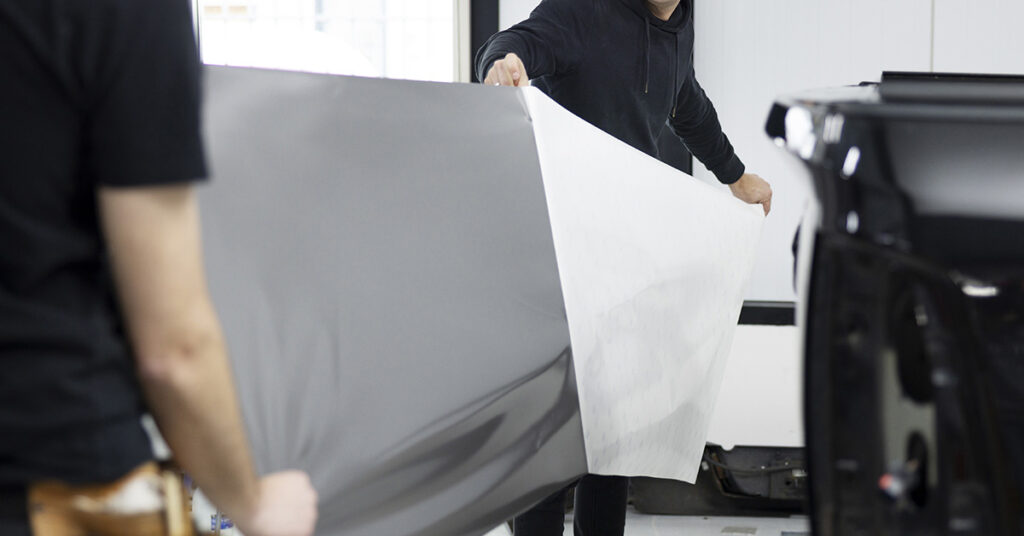
Dr Tint in Montreal: protection designed for your reality in Quebec
At Dr Tint in Montreal, you are dealing with a context that matches the reality here. In Quebec, your vehicle faces a demanding climate: harsh winters, salt, gravel, rain, summer heat, dense traffic, and sometimes tight parking situations. This is not a theoretical use case. This is the real life of a truck or SUV that is driven every day.
If you live in Montreal or the surrounding area, you already know how quickly a vehicle can take visible damage without ever being in a major accident. One winter season, a few frequent trips, or heavy use are enough for the first signs of wear to start showing.
That is why a local approach makes sense. Instead of choosing protection in the abstract, you can think in terms of your real routes, your habits, and your actual use. If your truck is on the road every day, your needs are not the same as those of a vehicle that only comes out on weekends.
PPF or ceramic coating: do not mix up their roles
If you are comparing different solutions, you need to keep one simple distinction in mind: PPF and ceramic coating do not play the same role.
PPF is there first and foremost to absorb impacts and create a real physical barrier between the road and the paint. If your priority is to avoid rock chips, marks, and everyday road damage, this is the more strategic option.
Ceramic coating, on the other hand, is mainly there to improve maintenance and keep the surface easier to clean. It is useful, but it does not serve the same purpose. If your truck or SUV regularly takes hits from the road, the protection that pays off the most is the one that protects against impact first.
In other words, if you need to prioritize, start with the protection that covers the vulnerable areas. The rest comes after.
How to know where your protection will be the most worthwhile
The right way to think about it is not to ask whether your vehicle “deserves” PPF. Instead, ask yourself which surfaces cost the most to let wear out.
If you keep your vehicle for a long time, drive a lot, use your truck for work, or load your SUV often, some answers become obvious. The front of the vehicle is almost always the top priority. The fenders, mirrors, headlights, and sometimes the rear sill are close behind.
The more intensive your use is, the stronger the case for PPF becomes. And the longer you wait, the more time you give wear to set in. Once the paint is already marked up everywhere, protection is still useful, but it no longer delivers the same return as it does when used preventively.
Conclusion: protect where your vehicle really works
PPF for trucks and SUVs pays off the most when you place it where your vehicle really takes the wear. For a work truck, that often means the front of the vehicle and the areas that are handled frequently. For an SUV, that often includes the hood, fenders, mirrors, headlights, and sometimes the rear cargo area.
In plain terms, this is not just about having a better-looking vehicle. It is about smart protection for an asset you use every day, in real Quebec conditions. If you want to keep your truck or SUV in better shape longer, limit visible wear, and preserve its value, the right strategy is to target the areas that take the most abuse.
At Dr Tint in Montreal, you can have your situation assessed based on how you actually use your vehicle. If you use your vehicle for work, family transportation, or heavy daily driving, it makes sense to choose protection designed for your everyday reality. You can contact the Dr Tint team or stop by the shop to get advice tailored to your truck, your SUV, or your work vehicle.
FAQ
1. Is PPF useful on a truck used for work?
Yes. If your truck sees a lot of miles, carries materials, or often drives on roads where gravel and debris are common, PPF can help you reduce visible wear on the most exposed areas.
2. What areas should be protected first on a truck or SUV?
In general, you should prioritize the front bumper, the front edge of the hood, the front fenders, the mirrors, and the headlights. If you often load materials, the rear bumper sill can also be very relevant.
3. Is PPF only for high-end vehicles?
No. On the contrary, it can be very relevant for a work vehicle, a truck, or an SUV used every day. The more exposed your vehicle is, the more logical the protection becomes.
4. Does PPF replace ceramic coating?
No. PPF mainly protects against impacts and rock chips, while ceramic coating helps more with maintenance and ease of cleaning. They do not serve the same function.
5. Why have PPF installed at Dr Tint in Montreal?
Because you benefit from a local service adapted to the reality of Montreal and Quebec, with an approach focused on the actual use of your vehicle and the areas that need protection the most.