September brings its own unique rhythm. School bags are back on the rear seat, lunches are prepared early in the morning, and trips between home, school, daycare, and activities start filling up the family schedule again. In this busy routine, tinted windows for family cars can help make the cabin more comfortable for both children and parents.
In Montreal, where a few kilometers can quickly turn into a longer trip because of traffic, stops, and detours, comfort inside the vehicle becomes especially important. A properly selected window film can help reduce UV exposure, heat, and glare while also helping protect interior materials.
Tinted windows for family cars: why they make sense during back-to-school season
Imagine a September afternoon. You pick up the kids after school, the car has been parked in the sun, and sunlight is shining directly through the rear windows. You still have to stop at the grocery store, followed by soccer practice, a music lesson, or another evening activity.
These are exactly the kinds of small moments repeated every week that make cabin comfort important.
Depending on the film selected, tinted windows can help:
- reduce exposure to ultraviolet rays;
- limit some of the solar heat entering the cabin;
- reduce glare;
- improve occupant comfort;
- help slow the fading of certain interior materials.
At Dr Tint, we work with XPEL and SunTek automotive window films, available in different technologies and tint levels to meet the needs of the vehicle and its occupants.
UV protection that is especially useful for rear-seat passengers
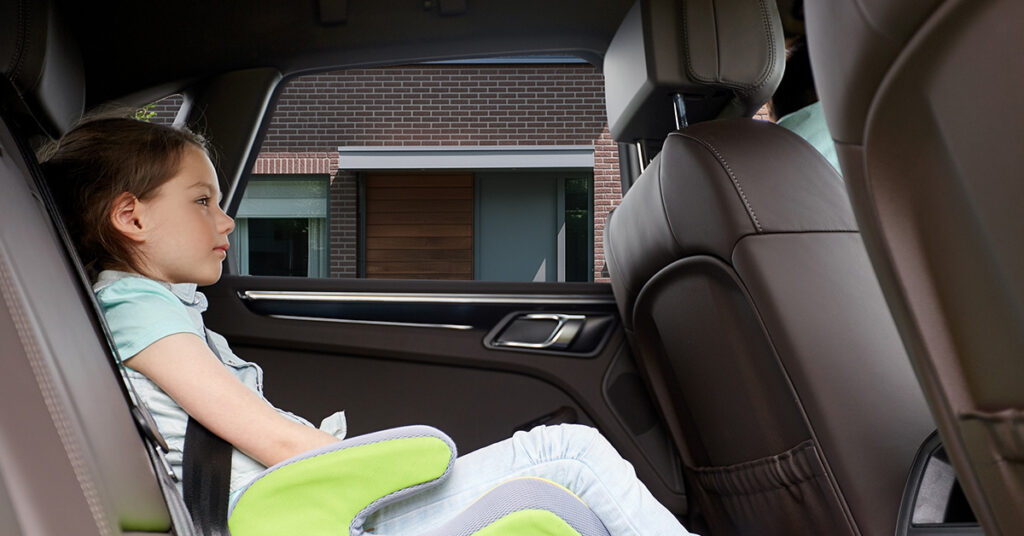
Children often spend a significant portion of family trips in the back seat. During drives to school, daycare, sports activities, or weekend outings, they may therefore be exposed to sunlight through the side windows.
The XPEL and SunTek window films used by Dr Tint are designed to block up to 99% or more of UV rays, depending on the product selected.
This protection does not depend solely on how dark the tint appears. Two films that look similar to the eye can offer different levels of UV protection or heat rejection.
For a family car, it is therefore preferable to consider the film technology as well as its appearance.
Less glare for more comfortable trips
Low morning or late-afternoon sun can create significant glare inside a vehicle. During back-to-school season, these periods often coincide with morning school runs and the drive home.
A suitable window film can reduce glare through the treated windows. For rear-seat passengers, this can improve comfort when sunlight shines directly through the side of the vehicle for several kilometers.
This reduction can be particularly appreciated during:
- early-morning trips to school;
- the drive home in the late afternoon;
- long weekend drives;
- family outings when sunlight shines directly through the rear windows.
The level of performance always depends on the product selected and its tint level. That is why we focus on recommending a solution suited to how the vehicle is actually used.
Reducing some of the heat entering the cabin
Even toward the end of summer, Montreal can still experience hot, sunny days. A car parked outside for several hours can quickly build up heat.
Automotive solar films are designed to reduce some of the solar energy passing through the glass. Depending on the product line selected, SunTek films can provide different levels of heat and infrared rejection. XPEL technologies also offer different performance levels depending on the product chosen.
Window film obviously cannot prevent a vehicle parked in the sun from heating up. Its role is instead to reduce some of the solar energy entering through the treated glass surfaces.
For a family vehicle used several times throughout the day, this benefit can be especially valuable.
Helping protect the interior of your family car
UV rays do not affect only the occupants. Repeated sun exposure can also contribute to fading and aging of certain interior materials.
A window film offering strong UV protection helps reduce this exposure.
This can be particularly useful for a family vehicle you plan to keep for several years. Seats, trim, the dashboard, and other interior surfaces are regularly exposed to sunlight when the vehicle is parked outside.
Tinted windows obviously cannot prevent all material aging, but they can help reduce the effects associated with sun exposure.
Dr Tint in Montreal: choosing a tint suited to your family and Quebec regulations
The choice of window film should not be based solely on the appearance of the vehicle. In Quebec, regulations distinguish, in particular, between front side windows and rear windows.
The front side windows must allow at least 70% of light to pass through.
The rear side windows and rear window are not subject to the same minimum light-transmission requirement.
For the windshield, no darkening material may be applied except for a strip no more than 15 cm wide along the top.
It is also important to consider any tint already built into the glass by the manufacturer. Adding a film, even a relatively light one, can change the total light transmission of a front window.
At Dr Tint in Montreal, we can advise you based on your vehicle, the windows being treated, and the result you want while taking Quebec regulations into account.
What tint should you choose for a family car?
There is no single ideal solution for every family.
Before choosing, several questions can help guide your decision:
Where do the children sit?
If the rear seats are occupied every day, the solar performance of the rear windows may become an important consideration.
Does your car spend a lot of time outdoors?
A vehicle that is regularly parked in the sun may benefit more from a film designed to reduce some of the solar energy transmitted through the glass.
Are you only looking for a darker appearance?
The visible tint is only one aspect of the product. UV protection, heat rejection, and glare reduction properties vary depending on the technology.
What is the current configuration of the windows?
Some vehicles already have darker rear privacy glass from the factory. Front windows may also have a slight factory tint. This must be taken into account before any film is installed.
Preparing the family car for the September routine
Back-to-school season is often the time when the entire family schedule gets moving again. School supplies, sports bags, weekly schedules, and transportation all need to be organized.
It is also a good time to think about comfort inside the vehicle.
Properly selected tinted windows can help make everyday trips more comfortable by reducing glare, UV exposure, and some of the solar heat entering through the glass.
Between driving through Montreal neighborhoods, weekend outings, and long days when the car accompanies the whole family, every improvement in comfort can make a difference.
Want to know which window film is right for your family car? Contact Dr Tint in Montreal for information, personalized recommendations, or a free quote. We can help guide you toward a solution suited to your vehicle, your needs, and Quebec regulations.
FAQ – Tinted windows for family cars
1. Can tinted windows reduce children’s exposure to UV rays?
Yes. The XPEL and SunTek films used by Dr Tint can block up to 99% or more of UV rays, depending on the product selected.
2. Do tinted windows reduce heat inside a car?
They can reduce some of the solar energy transmitted through the glass. The level of heat rejection varies depending on the technology and film line selected.
3. Can rear windows be darker than front windows in Quebec?
Yes. The rule requiring a minimum light transmission of 70% applies to the front side windows. The rear side windows and rear window are not subject to the same requirement.
4. Can you tint the front windows of a car in Quebec?
Yes, provided the front side windows maintain a light transmission of at least 70%. Any tint already present in the factory glass must also be taken into account.
5. How do you choose the right tinted windows for a family car?
The choice depends on the vehicle, the windows being treated, the desired level of solar protection, glare reduction, the preferred appearance, and applicable regulations. Dr Tint can advise you in selecting the appropriate solution.