Quebec winters are particularly demanding on vehicles. Between road salt, abrasive materials on the roads, and temperature fluctuations, vehicle bodywork often endures multiple types of damage. When spring arrives, it becomes essential to fix damage on your vehicle to prevent small impacts from turning into much more costly problems.
Gravel impacts, paint chips, micro-scratches, or early signs of corrosion: several issues can appear after months of winter driving. A quick inspection can help identify these problems and address them quickly. Specialists such as Dr Tint also offer several solutions to effectively repair and protect your vehicle’s bodywork.
Here’s how to inspect your vehicle after winter and what actions you should take to prevent damage from getting worse.
Why Winter Causes So Much Damage to Vehicle Bodywork
During winter, several factors contribute to damaging the paint and exposed surfaces of a vehicle.
Gravel and Abrasive Materials
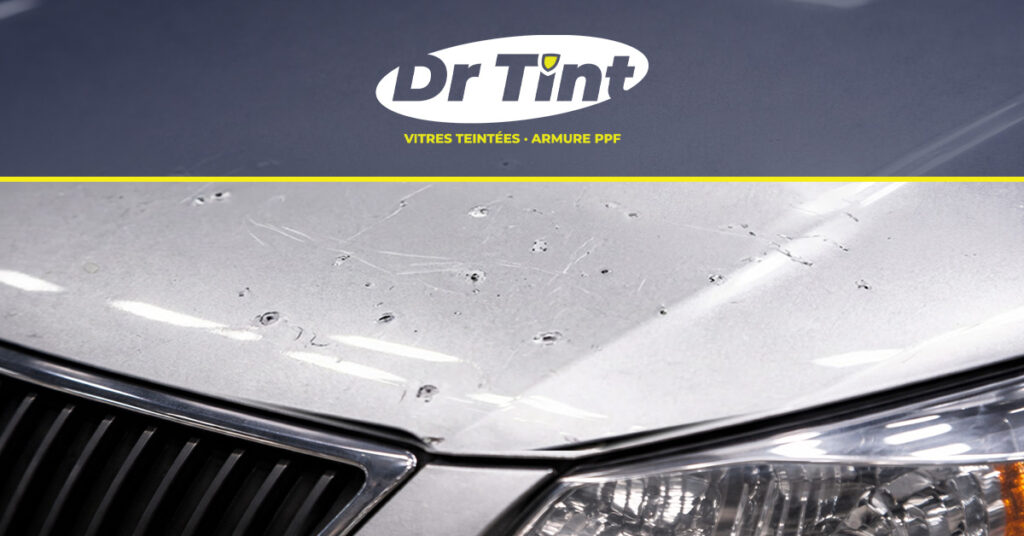
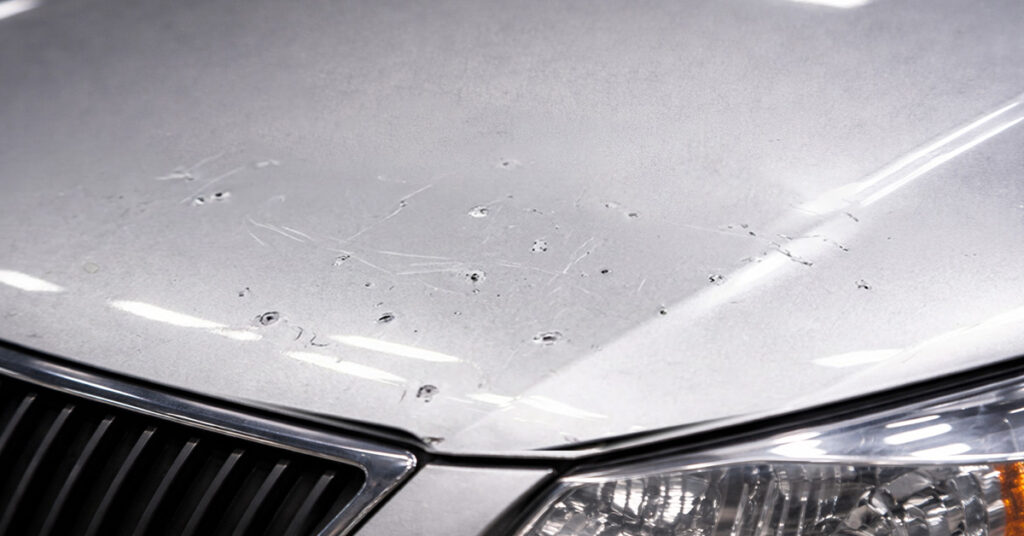
To improve traction on icy roads, municipalities often use sand and gravel. When projected at high speed by the tires of other vehicles, these small particles can create:
- paint chips on the hood
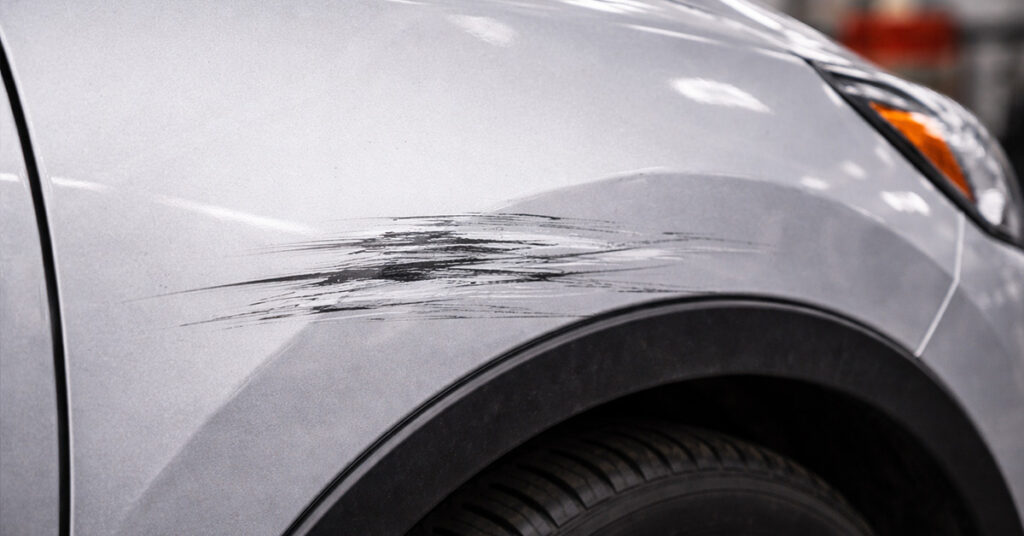
- impacts on the fenders
- marks on the front bumper
These impacts are often tiny, but they can sometimes expose the metal beneath the paint.
Road Salt
Salt is another major enemy of vehicle bodywork. When a paint chip exposes the metal, salt significantly accelerates oxidation. This is how small imperfections can quickly turn into visible corrosion.
Freeze–Thaw Cycles
Temperature changes also affect materials. Water can seep into tiny cracks in the paint, freeze, and then expand the opening. This phenomenon worsens existing damage.
How to Inspect Your Vehicle in Spring
Before repairing any issues, the first step is to perform a complete visual inspection.
1. Wash the Vehicle Thoroughly
It’s impossible to properly identify damage if the bodywork is still covered in salt and dirt. A full wash is therefore essential.
Ideally:
- pressure washing
- wheel well cleaning
- paint decontamination
Once the surface is clean, imperfections become much easier to spot.
2. Check the Most Exposed Areas
Certain parts of the vehicle are more likely to have been hit by debris:
- the hood
- the front bumper
- the front fenders
- the rocker panels
- the roof edge above the windshield
Inspect these areas under good lighting to spot micro paint chips.
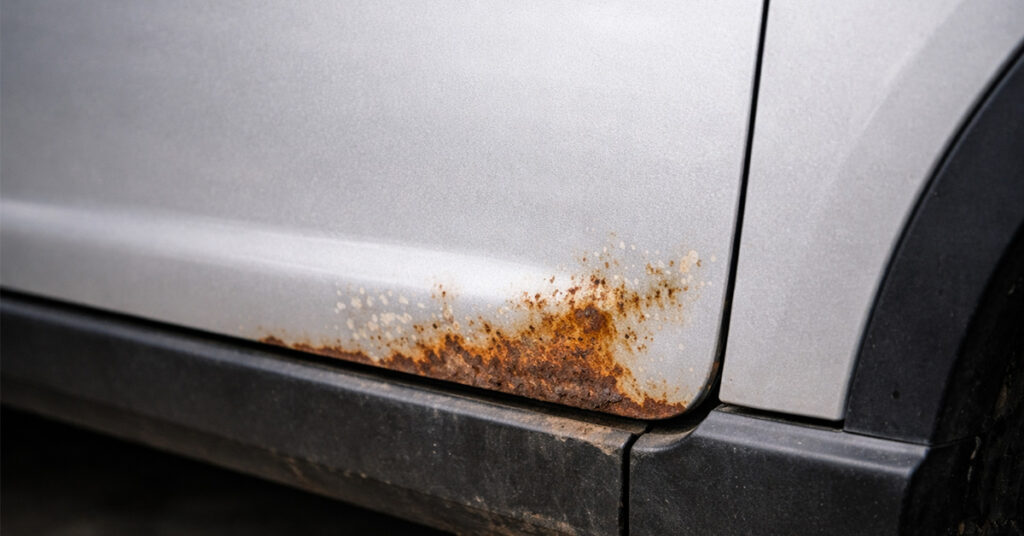
3. Identify Early Signs of Corrosion
If you notice:
- a brown or orange spot
- a small rust ring around a chip
- slightly raised paint
it is probably the beginning of oxidation.
In this case, it’s important to act quickly.
When Should a Paint Chip Be Fixed Immediately?
Not all damage requires the same intervention. Some imperfections are only cosmetic, while others should be repaired quickly.
Surface-Level Chips
When only the clear coat is affected, a simple cosmetic correction may be sufficient.
For example:
- light polishing
- paint correction
- surface treatment
These interventions improve appearance without requiring more complex repairs.
Chips That Expose the Metal
If the metal is visible, the situation is different. In this case, moisture and salt can quickly cause corrosion.
Possible solutions include:
- paint touch-ups
- localized correction
- application of protective coatings
Acting quickly helps prevent rust from spreading.
Why Waiting Until Spring Can Make Damage Worse
Many drivers wait several months before fixing winter impacts. However, this delay can worsen the situation.
Oxidation Progresses Quickly
A chip that seems minor can turn into a rust spot in just a few weeks. Once corrosion sets in, repairs become more complex.
Frequent Summer Washes Increase Wear
During spring and summer, frequent car washes can intensify micro-scratches on already weakened paint.
UV Rays Affect Damaged Paint
Sun exposure can also deteriorate areas where the protective layer is already compromised.
Fixing impacts quickly helps preserve the overall condition of the vehicle.
Fix Damage on Your Vehicle with the Right Protection
Once imperfections are identified and repaired, it is often recommended to add protection to prevent similar damage from occurring again.
Paint Protection Film (PPF)
Paint Protection Film, often called protective film or paint armor, is a transparent layer applied to certain parts of the vehicle.
Its benefits include:
- absorbing gravel impacts
- protecting against light scratches
- reducing paint chips
The most commonly protected areas are:
- the hood
- the front bumper
- the fenders
- the mirrors
Surface Protection Treatments
Other protective solutions can also strengthen the paint’s resistance:
- ceramic coatings
- protective sealants
- targeted protection films
These solutions help preserve the appearance of the vehicle for longer.
Spring: The Ideal Time to Plan Protection
After winter, the vehicle’s bodywork is often more vulnerable. Spring therefore becomes a strategic time to act.
Here’s why:
- winter damage can be corrected immediately
- the surface can be prepared before long summer drives
- protection helps limit future impacts
In a city like Montreal, where winter conditions are particularly demanding, many drivers choose to protect their vehicles every year after the cold season.
A professional inspection can often determine the best interventions based on the actual condition of the vehicle.
Conclusion
Winter rarely leaves a vehicle’s bodywork untouched. Even if the damage seems minor, it can quickly develop into more serious problems.
Taking the time to inspect the paint, repair impacts, and add appropriate protection helps extend the vehicle’s aesthetic lifespan. It also helps maintain its long-term value.
Spring is therefore the perfect time to take action and start the summer season with a clean slate.
FAQ
How do you know if a paint chip is serious?
If the chip exposes metal or if a small brownish spot appears, it is likely the beginning of corrosion. Quick repair is recommended.
Do all impacts need to be repaired?
No. Micro-scratches or imperfections in the clear coat can sometimes be corrected with simple polishing. Deeper chips require more targeted repair.
How long does it take to repair body damage?
It depends on the extent of the impacts. Minor corrections may take a few hours, while larger repairs can take longer.
Does paint protection film really protect against gravel?
Yes. The film acts as a barrier that absorbs impacts and prevents gravel from directly damaging the paint.
Can protection be applied to an already damaged vehicle?
Yes, but the damage generally needs to be corrected first to ensure an optimal aesthetic result.