When it comes to automotive paint protection, one question constantly comes up among drivers: PPF vs paint protection film — is it really the same thing? On paper, yes. In real life, not always. Behind these terms lie major differences in quality, durability, and—most importantly—long-term results.
At Dr Tint, we too often see disappointed clients who thought they made the right choice… until the film starts yellowing, peeling, or failing to deliver the promised protection. Let’s clarify things, plainly and without sugarcoating.
Clarifying the terms: PPF and paint protection film — same thing?
PPF stands for Paint Protection Film. In French, it’s almost always translated as pellicule pare-pierre (stone protection film). Technically, that’s correct. But in practice, not all paint protection films are high-end PPF.
The term paint protection film has become generic. It’s used for both professional multi-layer films and entry-level imported products that are often thinner and lack advanced technologies. The result: two installations may carry the same name but offer completely different levels of protection.
PPF vs paint protection film: the real technical differences
Film thickness
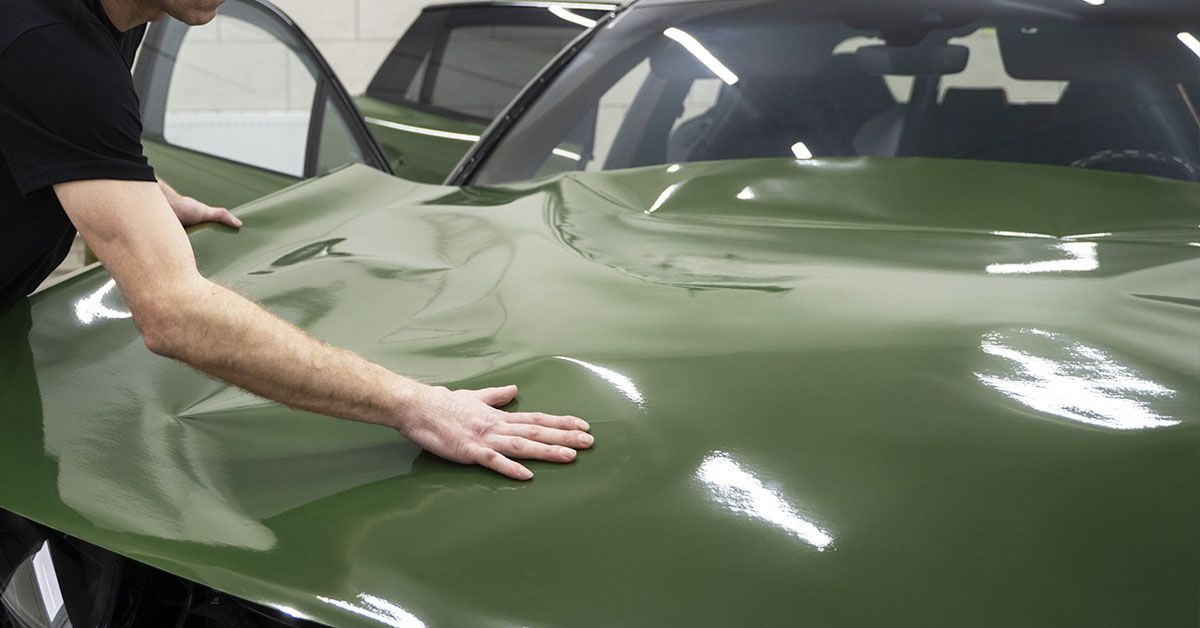
Thickness is a key factor. A high-quality professional PPF is generally between 7 and 8 mils, sometimes more depending on the application. Low-end paint protection films can be as thin as 4 or 5 mils.
In practical terms:
- The thicker the film, the better it absorbs stone impacts.
- A film that’s too thin offers little protection against high-speed rock chips.
Composition and layers
A quality PPF is made up of several layers:
- Impact-absorbing polyurethane layer
- Self-healing layer
- UV protection layer
- Stable, uniform adhesive
Budget paint protection films are often single-layer and lack real UV protection, which explains why they yellow or crack after just a few years.
Self-healing capability
This is one of the most misunderstood features. Not all films are self-healing. A true high-quality PPF will make micro-scratches disappear with heat from the sun or warm water.
Cheaper products:
- Mark easily
- Keep scratches visible
- Quickly lose their smooth finish
Real-world cases: where the difference becomes obvious
Hood
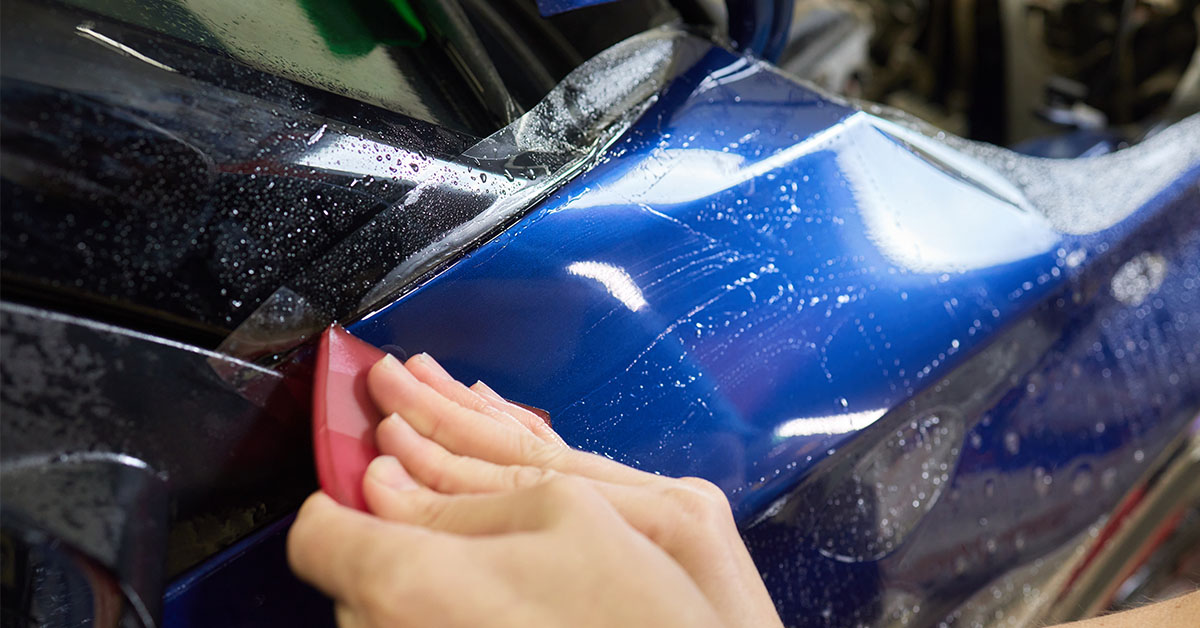
The hood is constantly bombarded by road debris. Professional PPF absorbs impacts and protects the original paint. A low-end film quickly shows its limits: visible impacts, punctures, and discoloration.
Bumpers
This is the most complex area to install. Shapes, curves, and air intakes require a flexible film and an experienced installer. A poor film or poor installation leads to:
- Visible edges
- Premature lifting
- Dirt buildup
Fenders and rocker panels
These areas are often overlooked, especially on used vehicles. Yet they take the most abuse from sand, salt, and gravel. A thicker PPF makes a huge difference, especially in Québec road conditions.
New vs used vehicles
- New vehicle: PPF preserves flawless paint.
- Used vehicle: Proper paint preparation is essential. Installing a high-quality film over poorly corrected paint results in a mediocre outcome, regardless of product quality.
Common mistakes when choosing paint protection
Focusing only on price
This is mistake number one. A price that’s too low almost always hides:
- Lower-quality film
- Rushed, careless installation
- Little or no real warranty
Assuming all films are the same
The market is flooded with unknown brands. Two films may look identical on installation day but behave very differently after two winters.
Ignoring the warranty
A true PPF comes with a clear warranty against yellowing, cracking, and peeling. Without a written warranty, all the risk falls on the customer.
Why installation matters as much as the product
An excellent film poorly installed will still deliver a bad result. Period.
Professional installation involves:
- Precise cuts (often computer-assisted)
- Controlled film tension
- Properly wrapped edges
- A clean, controlled environment
At Dr Tint, the goal isn’t to sell a film—it’s to provide a complete protection solution. That’s the difference between an installation that lasts two years and one that protects effectively for a decade.
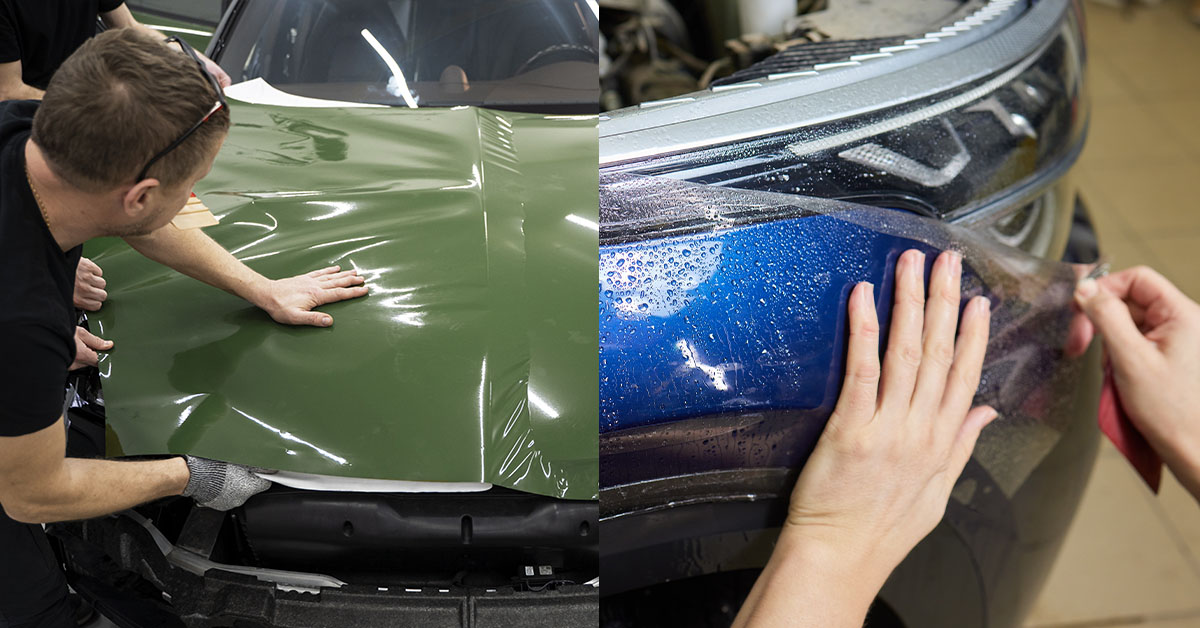
PPF vs paint protection film: how to make the right choice?
Ask the right questions:
- What is the actual thickness of the film?
- Is it self-healing?
- What is the length and coverage of the warranty?
- Who installs the film and how long have they been doing it?
If the answers are vague, be cautious.
Straightforward conclusion
PPF vs paint protection film isn’t just a vocabulary issue. It’s about performance, durability, and long-term value. A high-quality PPF, properly installed, genuinely protects your investment. A low-end film mostly creates an illusion of protection.
It’s better to invest once, correctly, than to pay twice to fix a bad decision.
FAQ – PPF vs paint protection film
Can PPF be removed without damaging the paint?
Yes, if the film is high quality and removed properly.
Does PPF yellow over time?
Professional PPF does not. Low-end films do.
Can you wash your car normally with PPF?
Absolutely. Regular washing is even recommended.
Is PPF visible on the vehicle?
A well-installed film is virtually invisible.
Is it worth it on a non-luxury vehicle?
Yes—especially to preserve resale value.