Over time, it can become difficult to know whether your tinted windows need to be replaced or if they can still last a few more seasons. When you own a vehicle that’s 5 to 15 years old, the condition of the tint film inevitably changes: sun, cold, wear, defrosting, cleaning… everything eventually leaves its mark. The problem is that many drivers ignore the warning signs and wait too long before consulting a specialist like Dr Tint, which can lead to a loss of comfort, visibility, and even UV protection.
In this article, I clearly explain the most common signs to watch for and how to know whether replacement is necessary. The goal: to give you concrete benchmarks so you can act at the right time and avoid wasting money on unnecessary repairs.
Visual signs that your tinted windows need to be replaced
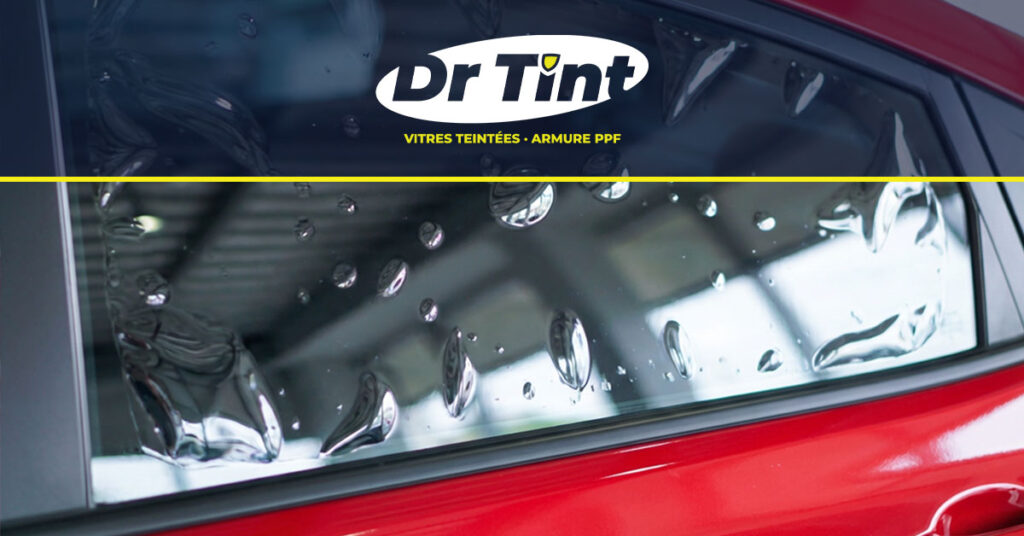
Air bubbles: the most obvious sign
Bubbles are often the first to appear, especially on films that were installed several years ago. They can result from adhesive that deteriorates over time, prolonged exposure to the sun, or sometimes an initial installation that was done too quickly.
What you need to know:
- Bubbles reduce visibility, especially at night.
- They weaken the film’s heat-rejection performance.
- They usually indicate the adhesive is at the end of its lifespan.
One or two small bubbles can sometimes be stabilized, but if they multiply or grow, it’s clear: the film needs to be replaced.
Fading: when a tinted film turns purple
A quality film keeps an even shade for many years. However, as it starts to age, it loses its pigment and takes on a purple or brownish tint. This change isn’t just cosmetic:
- The film no longer filters UV properly.
- It loses a significant part of its ability to reduce heat.
- The vehicle interior is exposed to more UV rays, which accelerates wear on the dashboard and seats.
If your film changes color, it means the tint has reached the end of its lifecycle.
Scratches and mechanical wear
Tinted windows are often exposed to friction:
- repeated raising/lowering of the windows
- dust trapped between the glass and the seal
- using scrapers in winter
- cleaning with abrasive products
When deep scratches appear, the look takes a hit, but more importantly, the film’s integrity is compromised. A damaged film protects less and may even start to peel at the edges.
Functional signs: when performance is no longer there
Loss of UV and heat-rejection effectiveness
Even if the film still looks good visually, another key indicator is its ability to:
- reduce heat inside the cabin
- filter UV rays
- reduce glare
Over time, UV rays damage the film’s resin, which reduces its effectiveness. Result: your cabin heats up much faster in summer and the shade provided by the film becomes almost nonexistent.
A quick test: if you notice the car heats up much more than before or you feel the sun’s rays more while driving, the film is no longer performing.
Peeling along the edges
When the film starts to lift along the sides, it’s a clear sign the adhesive has weakened.
This usually happens:
- after years of sun exposure
- when windows are cleaned with overly harsh solutions
- if the original installation wasn’t perfectly sealed
Peeling often creates a thin whitish line or a “frayed” effect. Once it starts, it only gets worse.
Natural aging of the film: an inevitable process
Even high-end films eventually show signs of age. In Québec, extreme temperature swings—from heat waves to -25°C—accelerate this aging.
Here’s what it can cause:
- the adhesive crystallizes
- the film loses flexibility
- the appearance becomes duller
- the film may crack under pressure
In general, a tinted film lasts between 5 and 10 years, depending on its quality level, maintenance, and climate conditions. Older vehicles (10 to 15 years) almost always need a replacement.
Tinted windows need to be replaced: when should you consult a specialist?
Even if some signs seem minor, it’s important to have a professional assess the situation. An expert like Dr Tint can determine:
- whether the film can be repaired
- whether it needs to be completely replaced
- which type of film matches your vehicle use
- how much longer the current film can realistically last
A professional assessment is often free or low-cost, and it helps avoid mistakes—like trying to remove the film yourself, which can damage the rear defroster.
Often, drivers wait too long. They only react when bubbles or fading become obvious. Yet acting sooner helps protect the interior, improve road safety, and quickly regain optimal comfort.
How to extend the lifespan of your window tint?
A few best practices help slow down wear:
- Use gentle cleaners with no ammonia.
- Keep the windows closed for several days after installation.
- Avoid scraping directly on the film in winter.
- Have the film installed by a certified installer.
- Choose a high-end film if you plan to keep your vehicle for a long time.
With proper care, tinted windows can last several more years before needing replacement.
Conclusion: spotting the signs early saves money in the long run
Knowing whether your tinted windows need to be replaced isn’t complicated: bubbles, fading, cracks, loss of UV effectiveness, peeling… all of these signs indicate the film is reaching the end of its useful life. By consulting an expert at the right time, you avoid premature interior deterioration and keep your driving comfortable, safe, and good-looking.
For advice, an assessment, or professional replacement, Dr Tint remains a go-to reference for drivers in Montréal and across Québec.
FAQ – Frequently Asked Questions
How long do tinted windows typically last?
Between 5 and 10 years, depending on film quality, maintenance, and climate conditions.
Can a damaged tint film be repaired?
In most cases, no. Once the film is faded or peeling, it needs to be replaced.
Can bubbles disappear over time?
No. Bubbles that appear years after installation are a sign the adhesive is breaking down.
Can replacing tint damage the rear defroster?
A professional can remove the film while protecting the heating lines on the rear window.
How do I choose the right tint level?
A specialist can recommend a film that complies with regulations and matches your needs.